 Umrah Gateway team
In this article
- What is the Rawdah?
- Do I need a permit to visit the Rawdah?
- How do I book a Rawdah permit in the Nusuk app?
- What if there are no Rawdah slots available?
- What happens on the day of my Rawdah visit?
- What is the right etiquette in the Rawdah?
- Tips for women, families and elderly pilgrims
- How many nights should I spend in Madinah?
- Frequently asked questions
Quick answer: To pray in the Rawdah in Masjid an-Nabawi you need a permit booked through the official Nusuk app. Register with your passport and visa details, choose a Rawdah slot for men or women, and arrive at the entry point shown on your permit a little before your time. Slots fill quickly, so set up Nusuk before you leave the UK and check for new slots often.
Praying in the Rawdah is one of the most hoped-for moments of any Umrah trip. The booking system has changed several times in recent years, and it may change again, so this guide explains the general process and the habits that help. Always check the latest details in the app and on nusuk.sa before you travel.
What is the Rawdah?
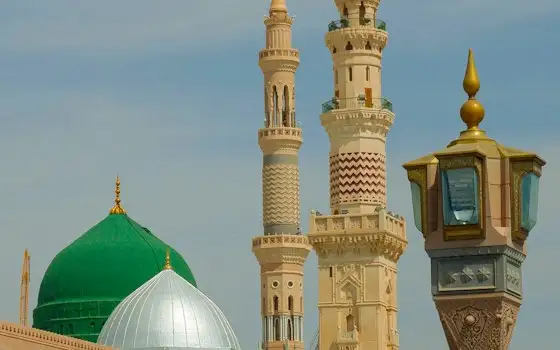
The Rawdah (al-Rawdah al-Sharifah) is the area of Masjid an-Nabawi between the Prophet's ﷺ house, where he is now buried, and his minbar. The Prophet ﷺ said: "Between my house and my minbar is a garden from the gardens of Paradise" (Bukhari and Muslim).
Today the Rawdah is marked by a green carpet, while the rest of the mosque has red carpets. It is a small space compared with the size of the mosque, which is why access is managed by permit and timed slots.
Do I need a permit to visit the Rawdah?
Yes. Under the current system, you need a permit issued through Nusuk to enter the Rawdah, and staff check it at the entrance. Men and women have separate times and separate entry routes.
The rules around how often you can book, how long each slot lasts and how far ahead slots open have been adjusted over time. We do not quote fixed numbers here because they change, but the app shows what is available to you when you search.
Praying elsewhere in Masjid an-Nabawi does not need a permit. Arrangements for sending salam at the Prophet's ﷺ grave also change from time to time, so follow the signs and the guidance of the mosque staff on the day.
How do I book a Rawdah permit in the Nusuk app?
The exact screens change with app updates, but the process generally looks like this:
- Download the official Nusuk app from the App Store or Google Play. Check that the developer is the official Saudi Ministry of Hajj and Umrah account, and avoid look-alike apps.
- Create an account and register using your passport details. Visitors usually need a valid visa linked to their passport, so you may only be able to complete registration once your visa has been issued.
- Find the Rawdah option among the permits or services in the app.
- Choose a date during your stay in Madinah, and select the men's or women's section.
- Pick an available time slot and confirm. You can often add family members who are travelling with you.
- Save your permit. It appears in the app with a QR code. Take a screenshot in case the mobile signal is weak inside the mosque.
Our guide to the Umrah visa from the UK explains how the visa fits in, and when you book a package with us we let you know once your visa is ready so you can register.
What if there are no Rawdah slots available?
This is very common, especially in Ramadan, school holidays and on Fridays. A few habits improve your chances:
- Check regularly. New slots are released and cancellations reappear, so look several times a day, including early morning and late at night UK time.
- Be flexible. Late-night and early-morning slots are often easier to get than those around the main prayers.
- Plan enough nights in Madinah. Three or four nights give you more chances than a single night.
- Book each family member as soon as their visa allows, so you are not waiting on one person.
- Avoid unofficial sellers. Permits come only from Nusuk; anyone selling them is not authorised.
If you still cannot get a slot, remember that the whole mosque is blessed. The Prophet ﷺ said that a prayer in his mosque is better than a thousand prayers elsewhere, except Masjid al-Haram (Bukhari and Muslim).
What happens on the day of my Rawdah visit?
- Arrive early. Get to the entry point shown on your permit 20 to 30 minutes before your slot. Queues can be long and gates close on time.
- Have wudu and bring your phone fully charged, with the permit open or saved as a screenshot.
- Follow the queue. Staff guide groups in turn. You may wait in a holding area before entering.
- Pray and make dua. Once inside, pray two rak'ahs if there is space and make your personal duas. Time is limited, so have your dua list ready.
- Leave when asked. Staff move groups on so that others can enter. Leaving calmly is part of good manners in this place.
What is the right etiquette in the Rawdah?
The Rawdah is crowded and emotional. A few reminders help everyone:
- Keep your voice low; the Qur'an teaches believers not to raise their voices in the presence of the Prophet ﷺ (49:2).
- Do not push or rush past others to reach the front.
- Avoid wiping the pillars, walls or grilles for blessings.
- Avoid taking photos and videos; staff often ask pilgrims to stop.
- Be patient with elderly pilgrims and people in wheelchairs.
We cover more good habits for the trip in our article on common Umrah mistakes.
Tips for women, families and elderly pilgrims
Women have their own Rawdah times, usually at set periods of the day, with a separate entrance and female staff. Book within the women's section of the app. Our Umrah guide for women has more advice for the trip.
Elderly and disabled pilgrims can usually enter with a wheelchair, although the route and queues may differ. Arrive earlier than you think you need, and travel with a companion who can help. Staying close to the mosque makes a big difference; our Madinah hotels include options just a few minutes' walk from the gates.
Children can be added to a parent's booking in many cases. Very young children may find the waiting hard, so pick a slot when they are usually rested.
How many nights should I spend in Madinah?
For most first-time pilgrims, three to five nights in Madinah is a good balance. It gives you time to recover from the journey, pray in Masjid an-Nabawi, visit Quba and the other sites, and try more than once for a Rawdah slot. Our guide to the Ziyarat places in Makkah and Madinah suggests how to fill the rest of your time.
Madinah airport is about 25 to 40 minutes from Masjid an-Nabawi, and the city is about 2.5 hours from Makkah on the Haramain high-speed train, so you can start or finish your trip there.
If you would like help working out the right number of nights in each city, our team can suggest a plan around your dates. Have a look at our Umrah packages or ask us for a quote.
Related guides: Performing Umrah Alone from the UK: Solo Travel Guide · The Kaaba and the Black Stone: A Pilgrim's Guide · Laylatul Qadr: Last Ten Nights in Makkah or Madinah
Frequently asked questions
Is the Rawdah permit free?
The Rawdah permit has been issued free of charge through the Nusuk app. Be wary of anyone asking you to pay for one.
Can I book a Rawdah permit before I arrive in Saudi Arabia?
Usually yes, once your visa has been issued and you have registered in Nusuk. Availability depends on the dates released in the app, so keep checking.
How long can I stay in the Rawdah?
Visits are short and timed, and staff move each group on after its slot. Have your duas ready so you can make the most of the time.
Do I need a permit to send salam to the Prophet ﷺ?
Arrangements for the salam visit change from time to time. Check the Nusuk app and follow the signs and staff in the mosque on the day.
What if I miss my Rawdah slot?
Staff generally do not admit pilgrims outside their booked time. Check the app for another available slot and arrive early next time.