 Umrah Gateway team
In this article
- How long does Umrah itself take?
- Is 7 nights enough for Umrah?
- Why do so many pilgrims choose 10 nights?
- Who should book 14 nights or longer?
- Is a 21-night or longer Umrah worth it?
- How should you split nights between Makkah and Madinah?
- How much rest do you need after the flight?
- Which trip length is right for you?
- Frequently asked questions
Quick answer: The Umrah rites themselves take around 3 to 6 hours, but most UK pilgrims book 7 to 14 nights so they can travel, rest, visit Madinah and pray in both Harams without rushing. Seven nights is the practical minimum for a trip that includes Madinah, 10 nights is the most balanced choice for most people, and 14 nights or more suits families, elderly parents and Ramadan.
How long does Umrah itself take?
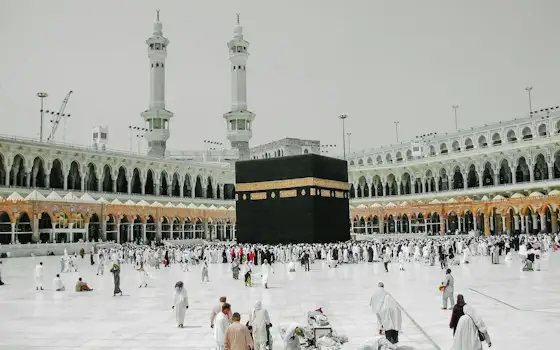
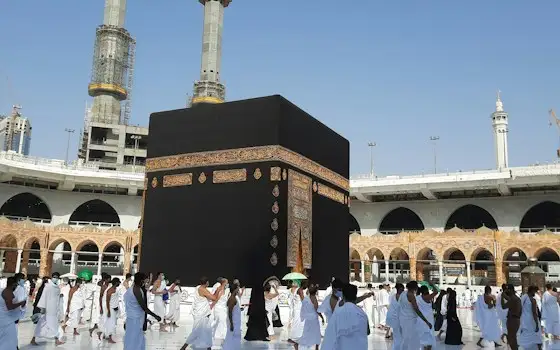
Umrah is short compared with Hajj. Once you are in Ihram and reach Masjid al-Haram, you perform Tawaf (seven circuits of the Ka'bah), pray two rak'ahs, perform Sa'i (seven laps between Safa and Marwah), and then shave or trim your hair. Depending on crowds and your pace, that usually takes between 3 and 6 hours. Our step-by-step guide to Umrah explains each stage.
So the question is not really how long Umrah takes, but how long the whole trip should be. That depends on travel time, how much of Madinah you want to see, your stamina and how much leave you have.
Is 7 nights enough for Umrah?
Yes, seven nights is enough for a complete Umrah with a visit to Madinah, and it is our most popular length for people working with limited annual leave. A typical split is 4 nights in Makkah and 3 nights in Madinah, or the other way round depending on your flights.
The trade-off is pace. Your first and last days are mostly travel, the journey between the two cities takes around 2.5 hours on the Haramain train or 4.5 to 5 hours by road, and you will have limited time for Ziyarat. It works best for fit adults who are happy to be busy.
Seven-night packages start from £490 per person with 3 star hotels, from £690 with 4 star hotels and from £1,230 with 5 star hotels. Our 7 nights 3 star Umrah package is a good starting point if budget matters most.
Why do so many pilgrims choose 10 nights?
Ten nights is the length we recommend to most first-timers. It usually gives you around 5 or 6 nights in Makkah and 4 or 5 in Madinah, which means time to perform Umrah calmly, rest, pray many prayers in congregation, and still do Ziyarat in both cities.
It also leaves a buffer day for jet lag, tiredness, or the extra Tawaf you will probably want to do once you have settled in. Ten-night packages start from £630 with 3 star hotels and £1,490 with 5 star hotels.
For a comfortable middle ground, the 10 nights 4 star Umrah package starts from £850 per person and keeps you in hotels that are generally closer to the Haram.
Who should book 14 nights or longer?
Two weeks lets you slow right down. You can spread your worship across many days, avoid the busiest prayer times when you need to, and have proper rest days. This suits:
- Families with children, who need downtime and cannot keep an adult pace every day.
- Elderly parents and anyone with limited mobility, who benefit from doing a little each day.
- Pilgrims who want more than one Umrah, which some people perform by going out to a Miqat such as Masjid Aisha (Tan'eem). Scholars differ on how often to repeat it, so ask a scholar you trust.
- Anyone who wants plenty of time in Madinah for prayer, the Rawdah and Ziyarat.
Fourteen-night packages start from £1,050 with 4 star hotels. The 14 nights 4 star Umrah package is a popular choice for families who want a longer stay without paying 5 star prices.
If you want a little more than ten nights on a tighter budget, there is also a 12 nights 3 star Umrah package from £720 per person.
Is a 21-night or longer Umrah worth it?
Three weeks or more is less common, but it makes sense in a few situations: Ramadan (many people stay for most or all of the month), retired pilgrims with no leave limits, and those combining Umrah with a visit to family elsewhere. Our listed packages run up to 14 nights, so for a longer stay please ask us for a tailored quote.
For Ramadan, the last ten nights are the most sought after, and many pilgrims build their trip around them. Our Ramadan Umrah packages include shorter and longer options.
Before booking a long stay, think honestly about stamina. Three weeks of early starts, heat and crowds is tiring, and it is better to plan rest days than to burn out by the second week.
How should you split nights between Makkah and Madinah?
There is no fixed rule. Most of our packages give slightly more time in Makkah, because that is where you perform Umrah and where many people want to spend extra time in Tawaf. A rough guide:
| Total nights | Makkah | Madinah | From (3★ / 4★ / 5★) |
|---|---|---|---|
| 7 | 4 | 3 | £490 / £690 / £1,230 |
| 10 | 5–6 | 4–5 | £630 / £850 / £1,490 |
| 12 | 6–7 | 5–6 | £720 (3★) |
| 14 | 7–8 | 6–7 | £1,050 (4★) / £1,850 (5★) |
All prices are from prices per person and depend on your dates, flights and room sharing. Ramadan and school holidays cost more, and we confirm the exact figure in your quote.
Some pilgrims like to stay around eight days in Madinah to pray forty prayers in the Prophet's Mosque ﷺ, based on a narration whose strength scholars differ on. If that matters to you, tell us and we will plan the split around it.
Whether you start in Makkah or Madinah depends on flight routes. If you land in Madinah first, you put on Ihram later at the Miqat on the way to Makkah, which many families find more relaxed.
How much rest do you need after the flight?
The good news for UK pilgrims is that jet lag is mild. Saudi Arabia is 3 hours ahead of the UK in winter and 2 hours ahead in summer, so your body clock barely shifts. The tiredness usually comes from overnight flights, early check-ins and the transfer from Jeddah to Makkah, which is about 1 to 1.5 hours by road.
- If you land in the morning or early afternoon, a few hours' sleep before starting Umrah makes the rites far easier.
- If you land late at night, many fit pilgrims go straight to the Haram while it is cooler and quieter, then sleep afterwards.
- For elderly travellers, plan a full rest before Umrah. Staying in Ihram a little longer is fine as long as you observe its rules.
Build in rest during the trip too. A short afternoon sleep between Dhuhr and Asr helps you stay alert for Maghrib, Isha and Fajr. Our Umrah packages for elderly pilgrims are designed with this slower pace in mind.
Which trip length is right for you?
- Limited leave, fit adults: 7 nights.
- First Umrah, couples, most people: 10 nights.
- Families, elderly parents, slow pace: 12 to 14 nights.
- Ramadan or retired pilgrims: 14 nights or longer, by request.
If you are still unsure, our package finder helps you narrow down the options, and our team is happy to suggest a length that fits your leave and your family.
Related guides: Umrah While Fasting in Ramadan: Suhoor, Iftar & Timing · Umrah Badal: Performing Umrah on Behalf of Others · Umrah for Couples and Newlyweds: A Practical Guide
Frequently asked questions
Can I do Umrah in one day?
The rites can be completed in a few hours, but travelling from the UK for one day is not practical. Allow at least a few nights in Makkah, and seven nights if you want to visit Madinah too.
Is visiting Madinah required for Umrah?
No, Madinah is not part of the Umrah rites. However, almost every UK pilgrim visits the Prophet's Mosque ﷺ, and we strongly recommend including it if your time allows.
How many days should I spend in Makkah?
Four nights is a comfortable minimum, giving you time to rest, perform Umrah and pray in the Haram. On 10 and 14 night trips, five to eight nights in Makkah is common.
Does a longer trip cost much more?
The extra nights add hotel costs, but flights and visas stay roughly the same, so the cost per night often falls. For example, 10 nights 4 star starts from £850 compared with £690 for 7 nights, subject to dates.
What is the best length for a family Umrah?
We usually suggest 12 to 14 nights for families with young children. It allows rest days and lets you visit the Haram at quieter times rather than squeezing everything in.